
In the last week we’ve seen The Society of Authors sign up to an ‘Ethical AI Charter’, supported by the likes of Sir Kazuo Ishiguro and Tracy Chevalier, in which ‘industry organisations such as agents, publishers and prize bodies can pledge to only use generative AI in a transparent, responsible and ethical way.’
In what amounts to an admission that AI is currently a bad thing for writers, but somehow it’s here to stay, the Charter directly acknowledges the ‘serious concerns arising from its (AI) creation and application, including but not limited to the large-scale use of creative work without transparency, permission or payment.’
In short, we’re admitting that mainstream generative AI is stealing from us and ruining our livelihood, but we’re all going to have to find a way to live with it and try to curb its more excessive ills.
Meanwhile I heard on BBC Radio 4’s Media Show writer & producer Russell T Davies run up the white flag when it comes to AI, saying ‘we’re little ants in front of a tidal wave’ and that ‘we’re looking at the end of copyright’.
Given this growing sense of fatalism about AI, I thought it might be a good time to start getting to know the enemy, in terms of how AI might be used to rethink my practice and see how my writing might be presented in new and different ways. (Health warning – I am a white, privileged male so AI has been trained to suit me anyway 😁)
I have always believed that every time new technology comes along to eat my dinner, I should start thinking about new models, new forms, new ways of working that might allow me to carry on with my core creative practice of writing. In my time I’ve moved from print to CD ROM to the web to broadband to mobile to games & social media to podcasts, live streaming and immersive VR and AR. Each time I’ve enjoyed inventing new projects and processes, and getting paid for the privilege.
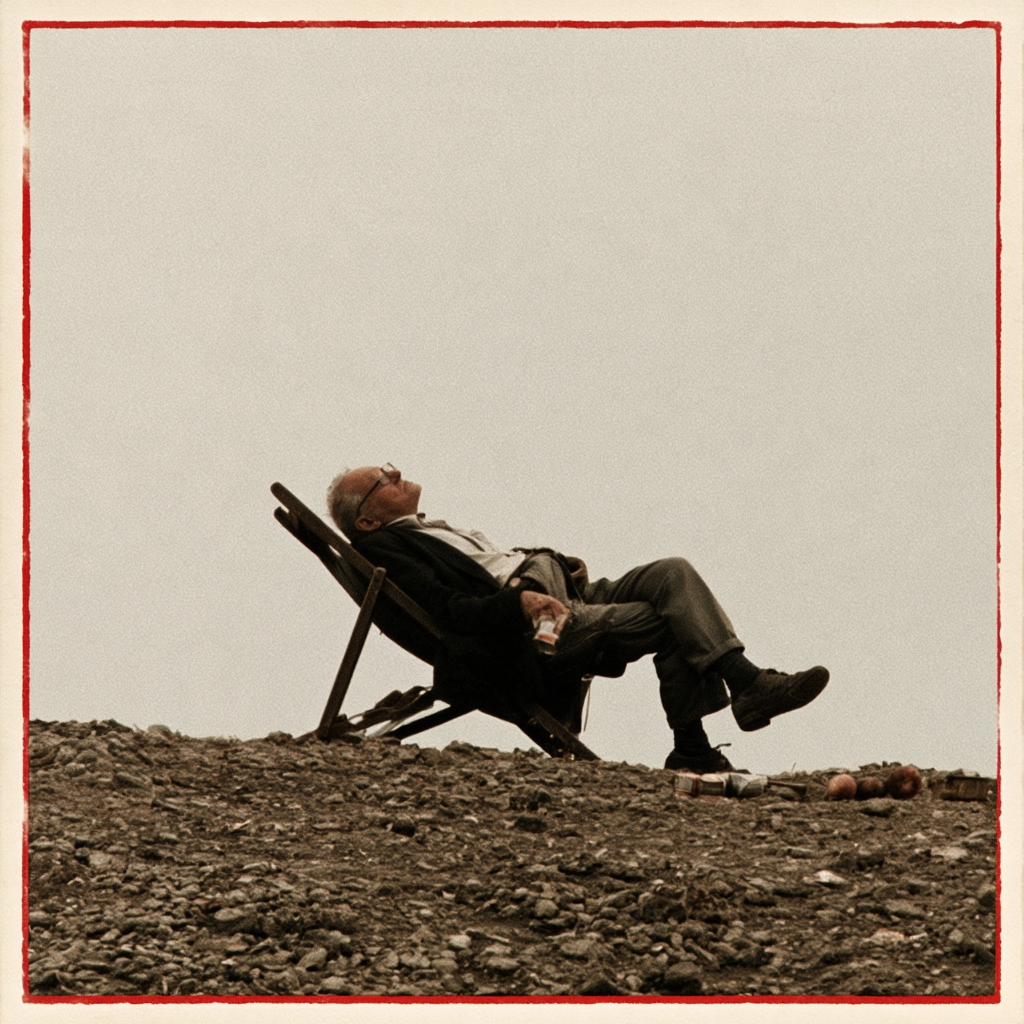
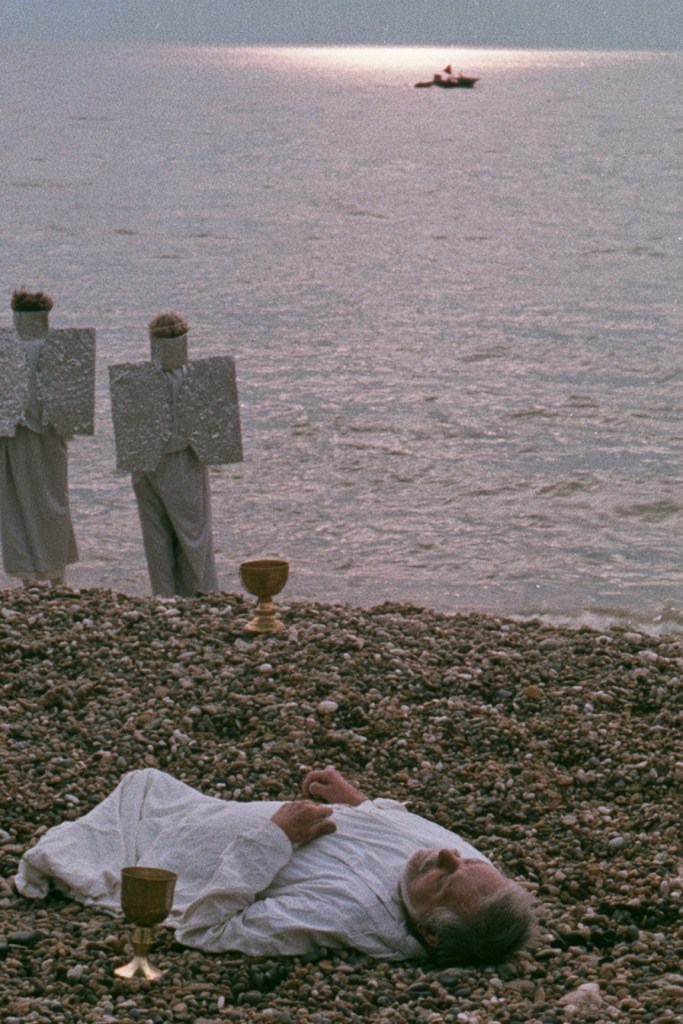
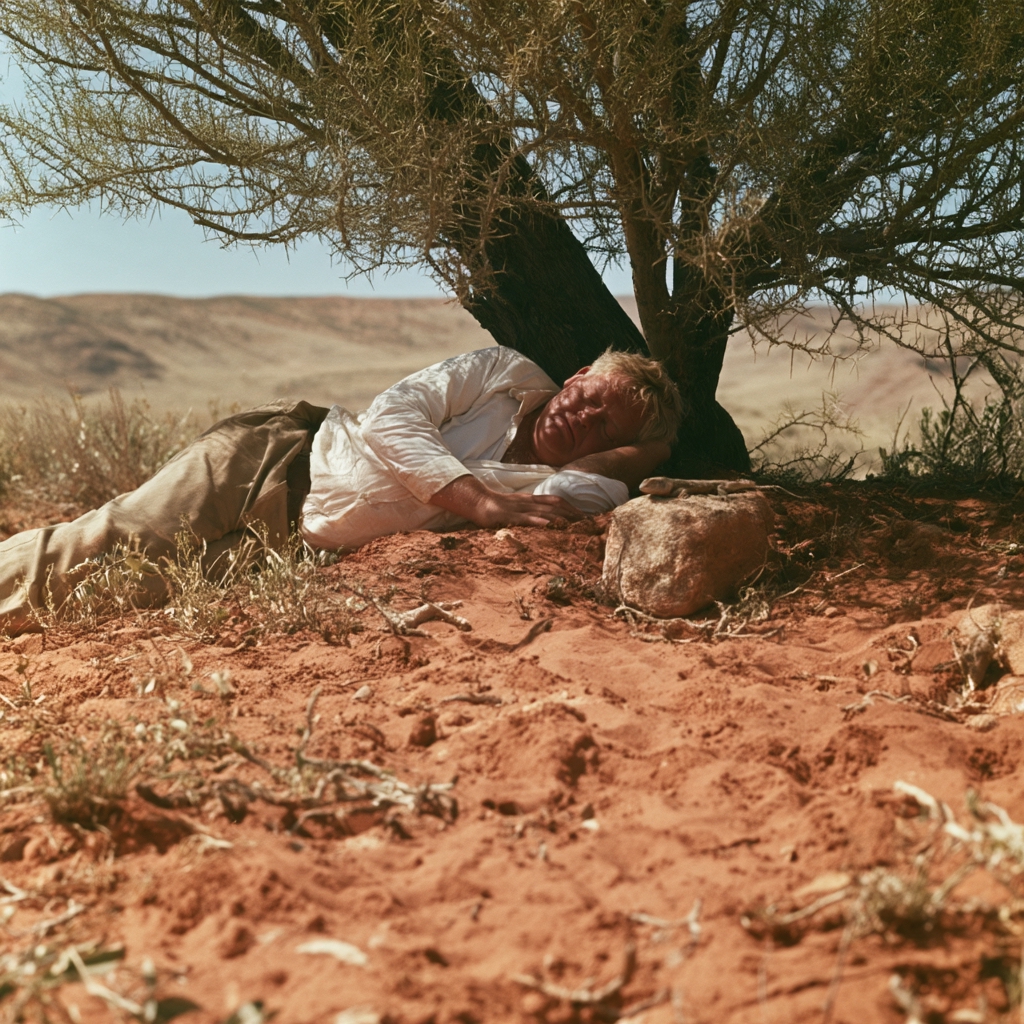
So now I’ve set up thesleepartist.com as a prototyping space for noodling about with my novel ‘The Sleep Artist’ (as yet unpublished) using AI.
I want to see how I might use Claude.ai and associated tools to present my writing in a new way that allows AI to support the reading of a text, rather than seemingly trying to replace/erase me as a writer.
What you’ll find at thesleepartist.com is a slightly different way of accessing my novel.
You start with a question about a character, or about a particular film title (the lead character Peter Shure is a screen actor) or about a song lyric (Peter’s son Chris is a post-punk songwriter).
The ‘author’ – an AI bot trained on all the writing in the novel voiced by the ‘author’ (i.e. me) – will then offer you three excerpts or sections from the original novel that provide three different types of response to your question.
You choose one section to read. At the end of that section, the AI bot second guesses the next questions that might arise out of that text. You choose from three suggested questions, and another three sections of the novel are presented as the possible answer.
Thus you can use the conversation with the author-bot, and the second guessing about where to go next, to guide you through the novel and shape your understanding of the storyworld.
The AI element is limited to the chatbot . The text of the novel is untouched. I wrote all of it myself (I promise).
The website, though, owes a huge debt to Claude.ai. I used AI to build this prototype from scratch with little previous coding experience. I was guided on how best to format the text of my novel so it could be used in the prototype. The basic design was put together very quickly from my text descriptions of what I was imagining. I was taught how to set up the chatbot element using Claude Console and how to set up a prototype site for free on Cloudflare.
I even learned how to cap the cost of the chatbot using Anthropic tools so that I could let you people out there play with this thing without it costing me an arm and leg (the chatbot will stop working for you btw after 30 rounds, but you’ll still be able to keep exploring the novel without the ‘Author’ talking to you)
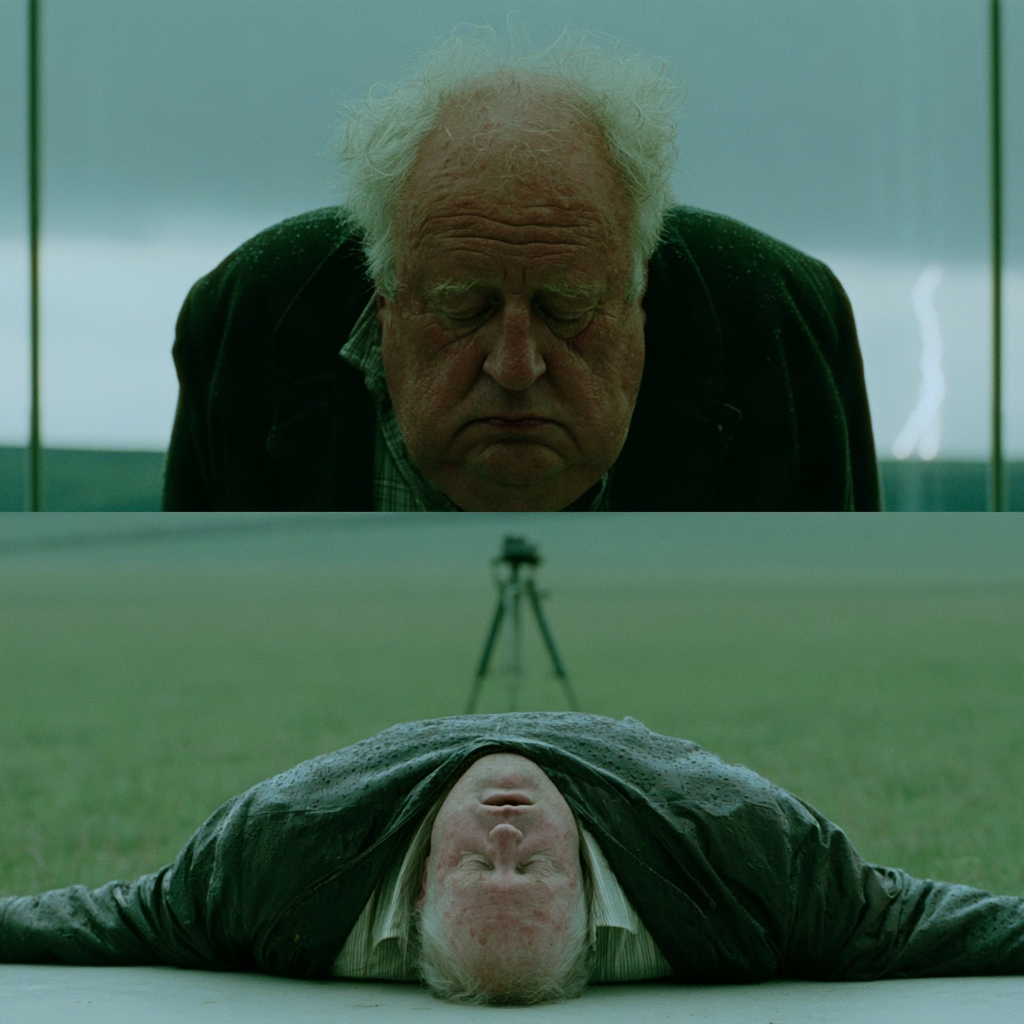
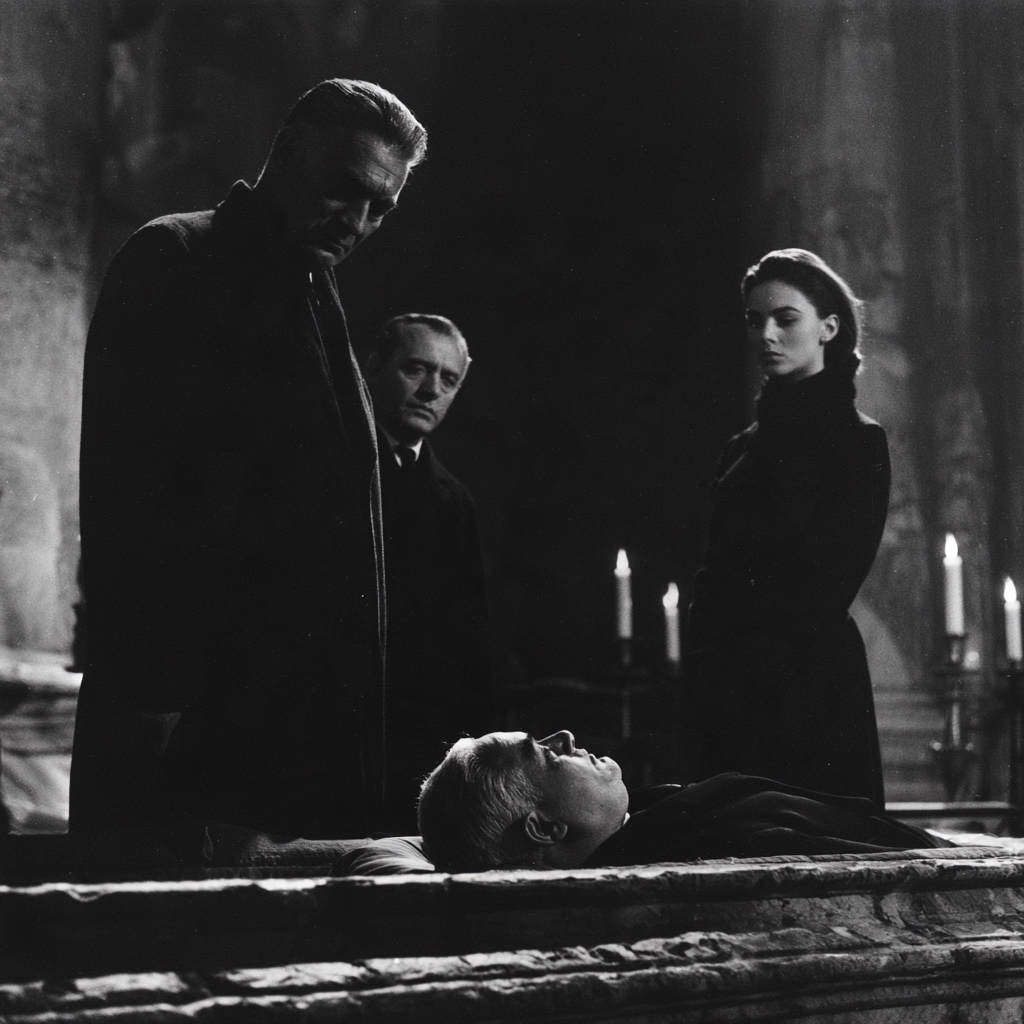
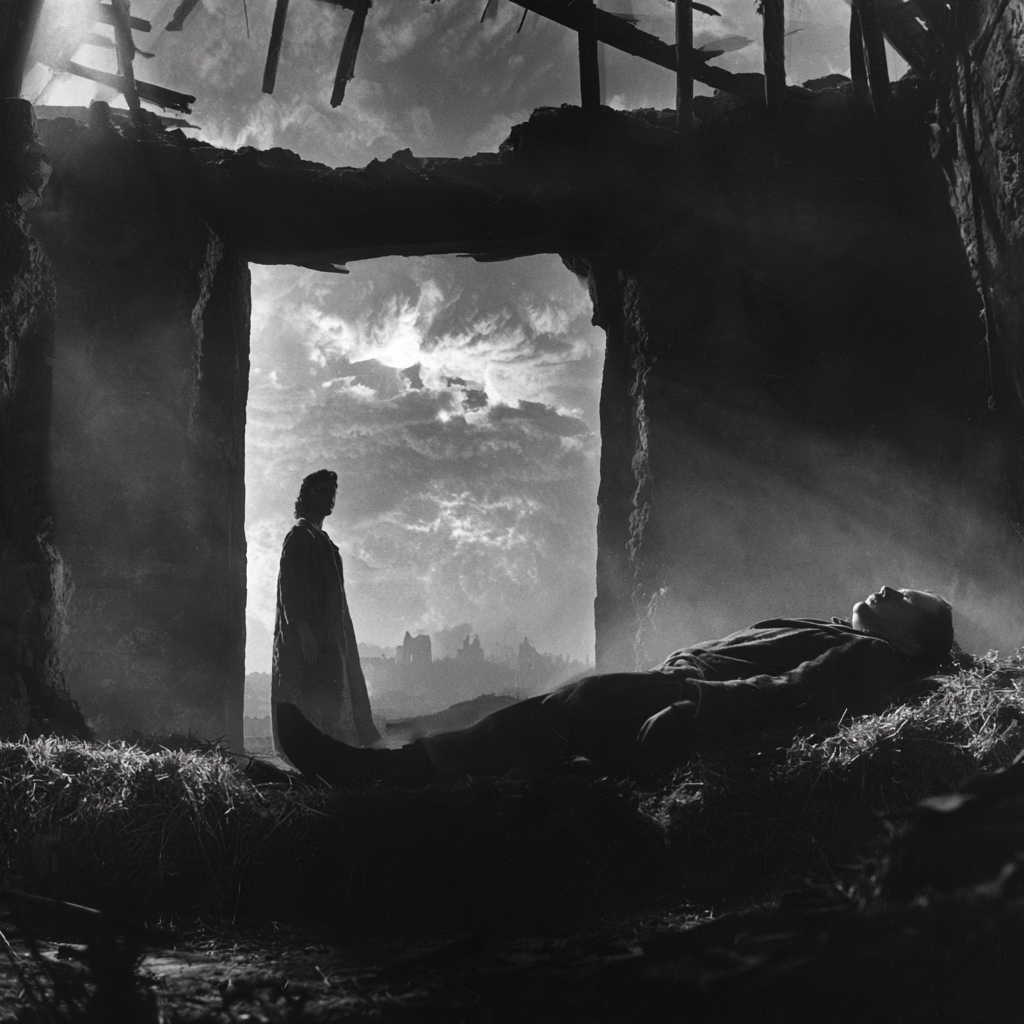
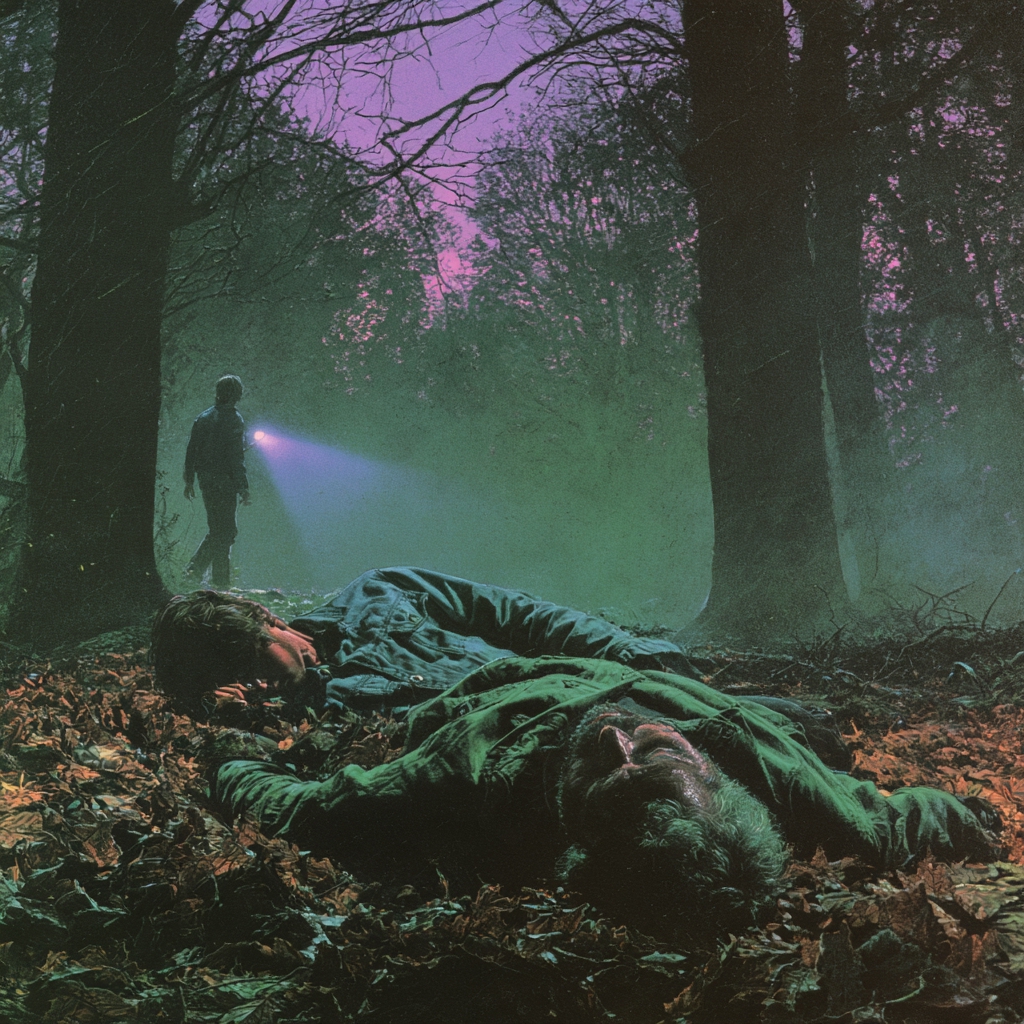
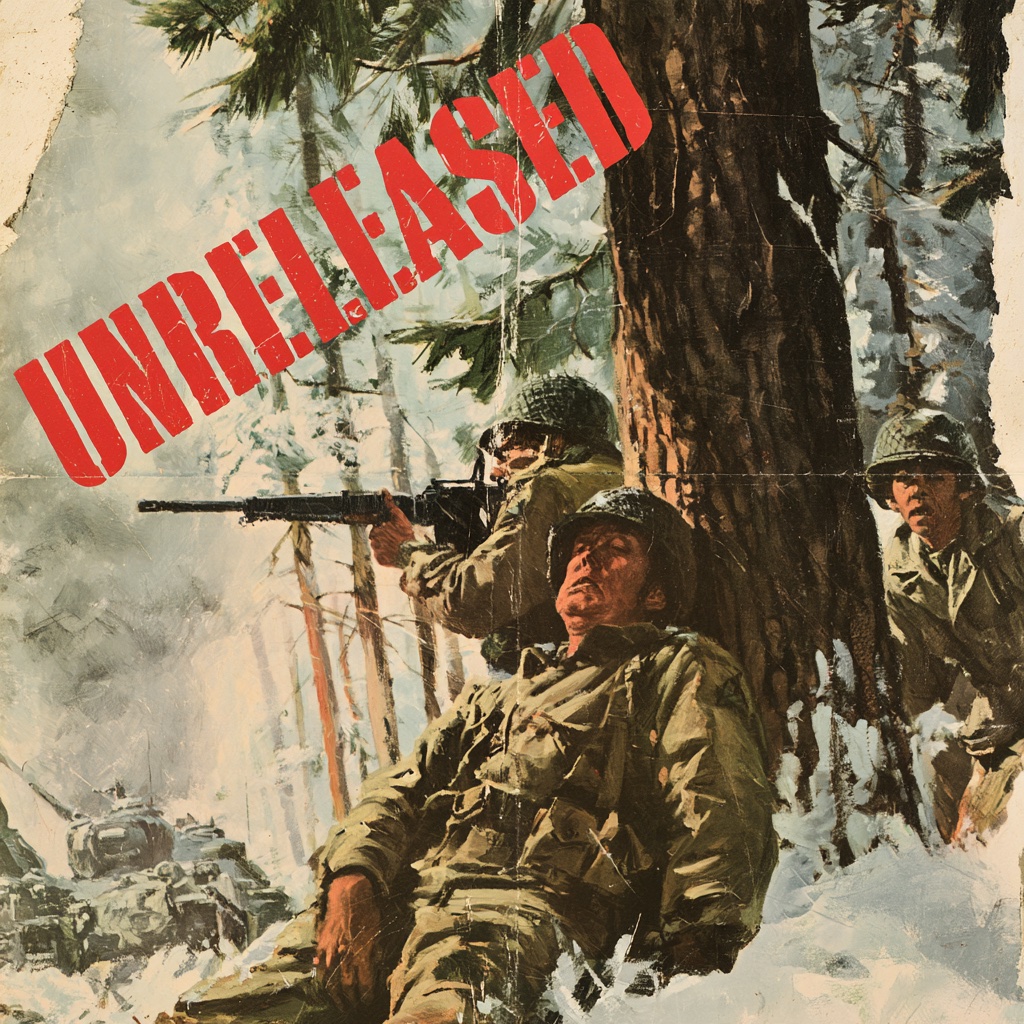
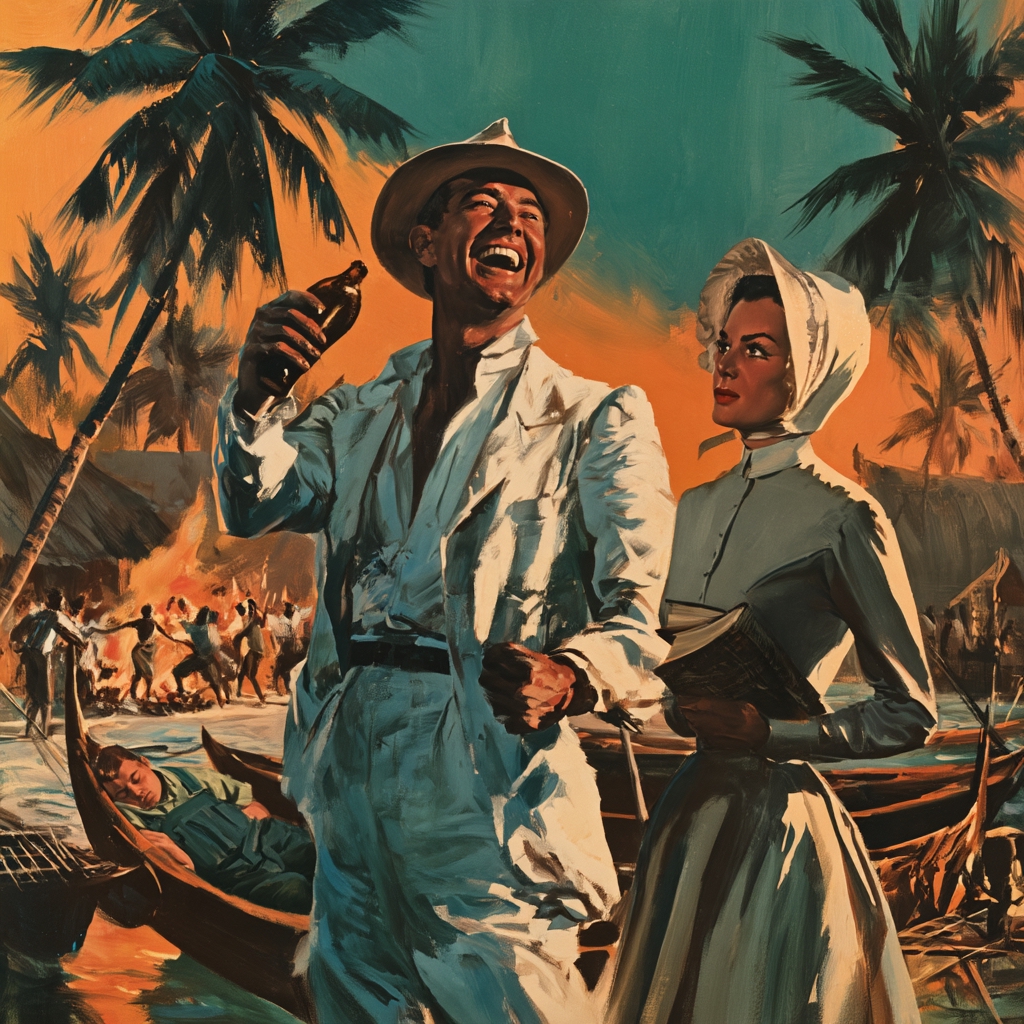
The whole process has been very seductive. On top of the coding and the prototype design and revamping of my writing, I ended up encouraging myself to think about how to create images alongside text – notably, movie posters and stills for all the films mentioned in the novel. Very quickly Claude supplied me with detailed prompts that I could plug into Midjourney.
The results were not just fun but felt like an intriguing way to extend the storyworld of the novel. But it was at this point I felt queasy about using a platform that is highly suspected of massive copyright infringement and theft. I have stalled for now on experimenting with images as a result – even though the initial results that were returned are to my mind scarily compelling.
Indeed, I am worried generally that I will receive criticism for dipping my toe into the AI waters. I have, though, spent nearly 40 years playing around with new technologies to see what kind of stories can be told and how storytellers might continue to make a living, so I don’t see why I’d stop now.
In the end, what I really want to do is create something that generates more attention for my novel.
So if you do visit thesleepartist.com and noodle around with my prototype, perhaps you’d also be good enough to sign up for my mailing list – which I will only use to alert you to that moment when I summon up the wherewithal to start a crowdfunding campaign for producing the book itself.
Out of all this AI noodling, perhaps I can still get back to the printed word in the end.


Leave a Reply